
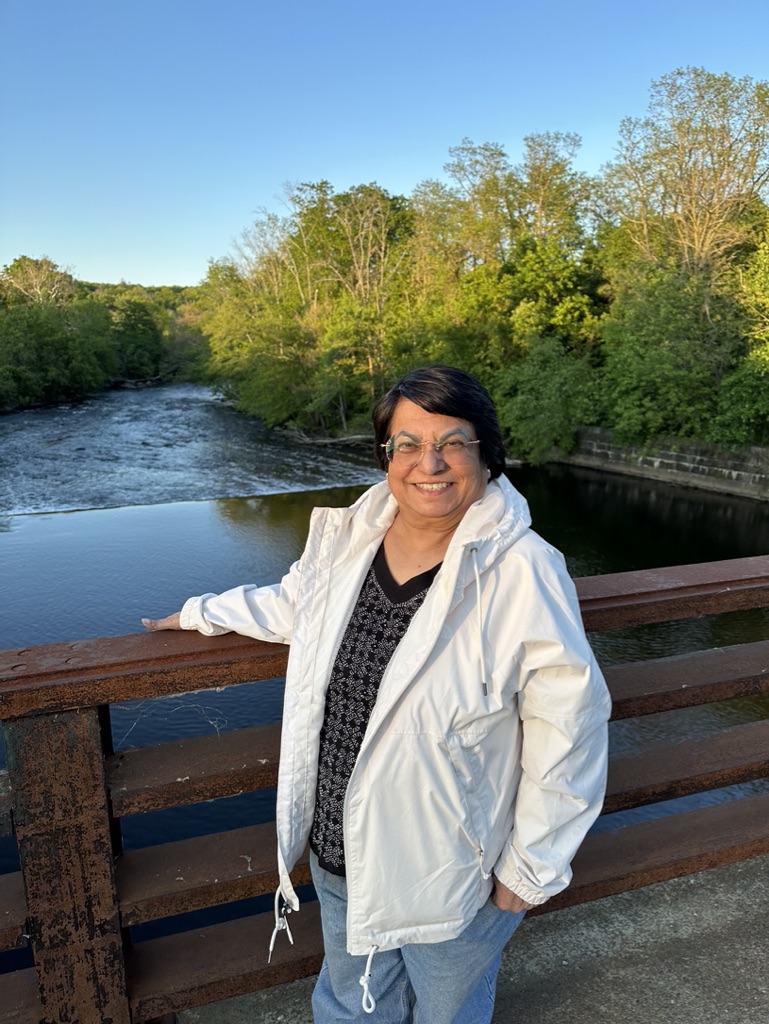
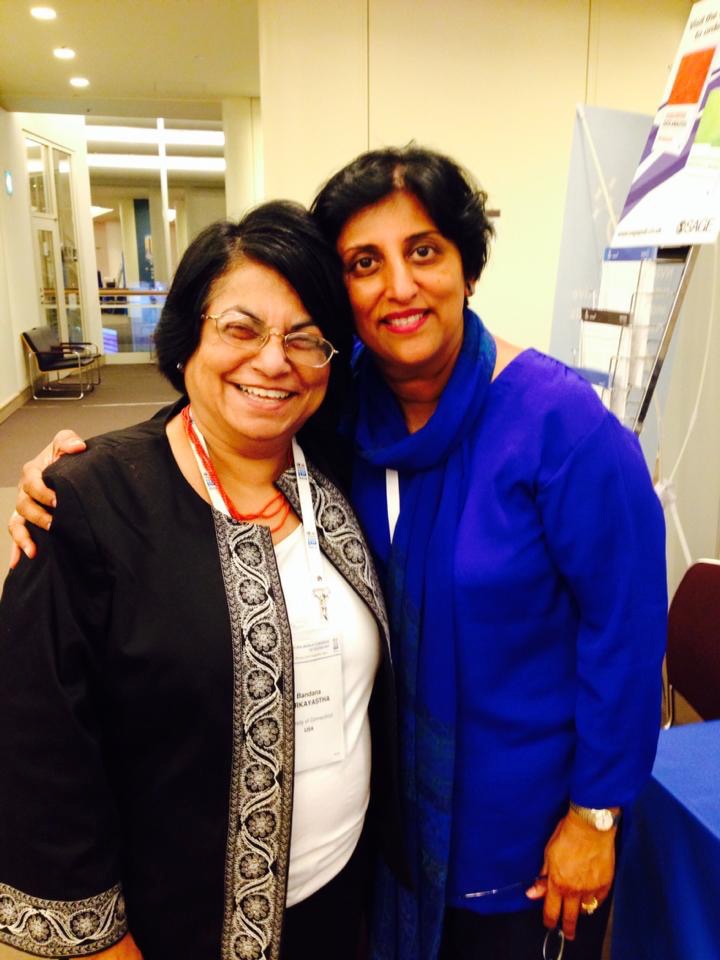
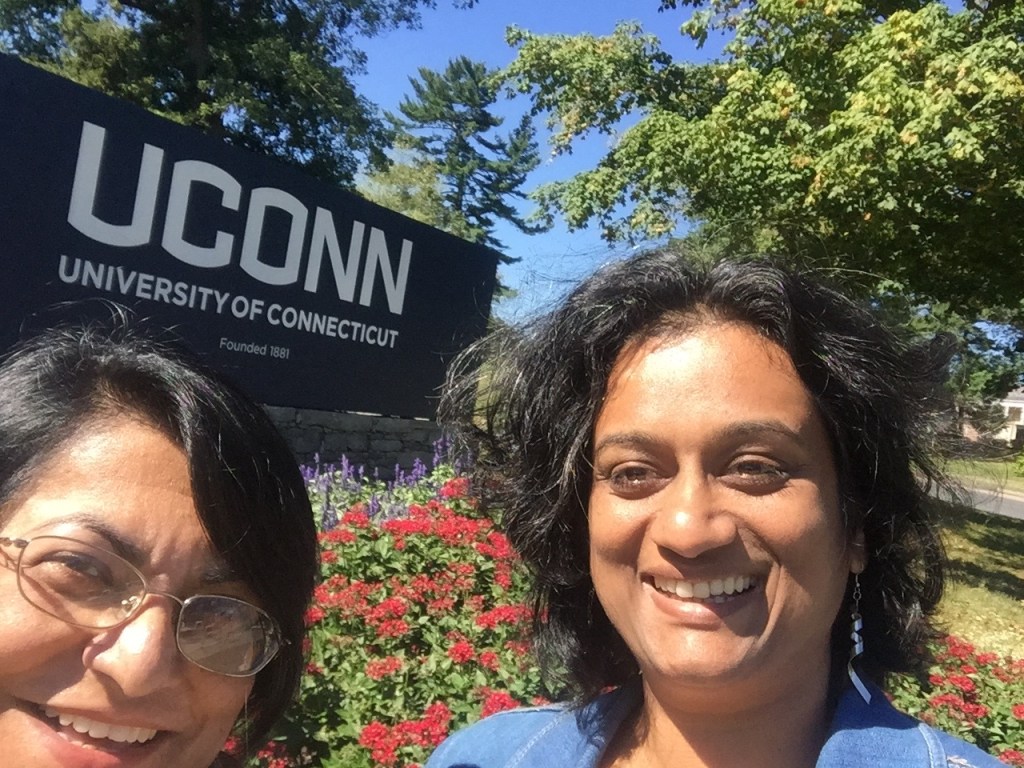
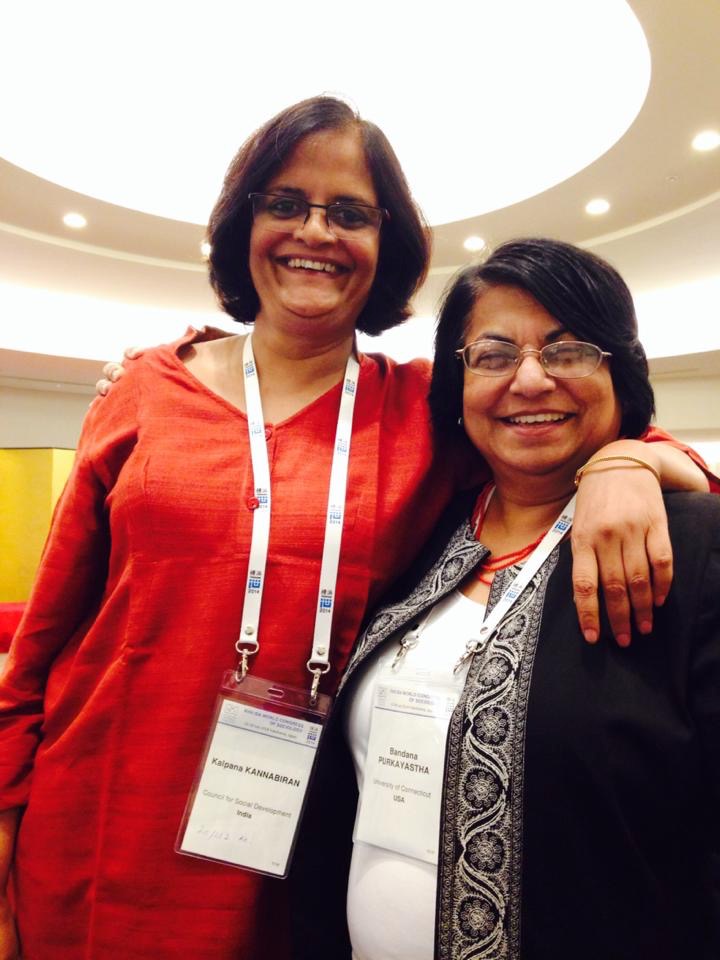
Bandana Purkayastha is a Board of Trustees Distinguished Professor at the University of Connecticut. She holds a joint appointment in Sociology and Asian and Asian American Studies, and serves as the Associate Dean for Social Sciences, Regional Campuses, and Community Engagement in the College of Liberal Arts and Sciences. She was elected as Vice President of National Associations at the International Sociological Association (2023-2027).
She focuses on the structures of inequalities and social transformation, with specific focus on migrants and migration, gender and intersectionality from a global perspective, and critical human rights. With an impressive record of 15 books, 36 peer-reviewed articles, and 35 chapters, she has earned international recognition, including prestigious awards such as the Contributions to the Field (2016) and the Sociologists for Women in Society’s Mentoring Award (2018) for her work on Asia and Asian Americans in the US.
Her co-edited book, “Human Rights in Our Own Backyard,” was awarded the 2013 Gordon Hirabayashi Sociology of Human Rights Book Award by the American Sociological Association (ASA) Human Rights section. In 2019, she won the Jessie Bernard Award, given in recognition of scholarly work, inclusive of research teaching, mentoring, and service, that has enlarged the horizons of sociology to fully encompass the role of women in society.

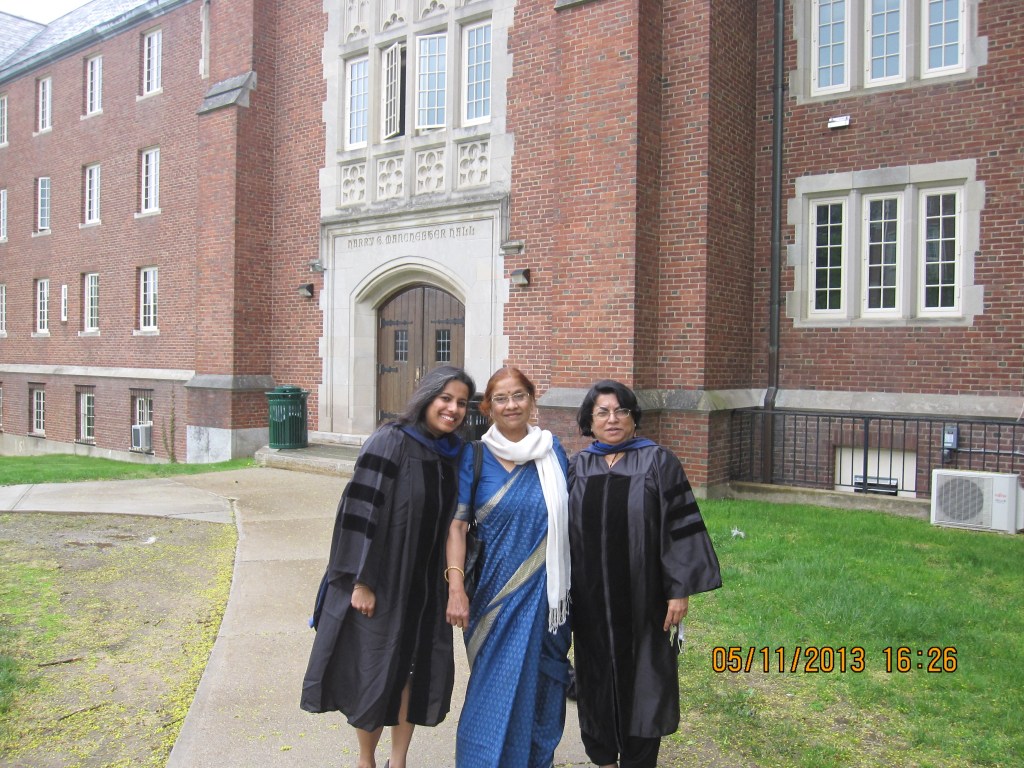
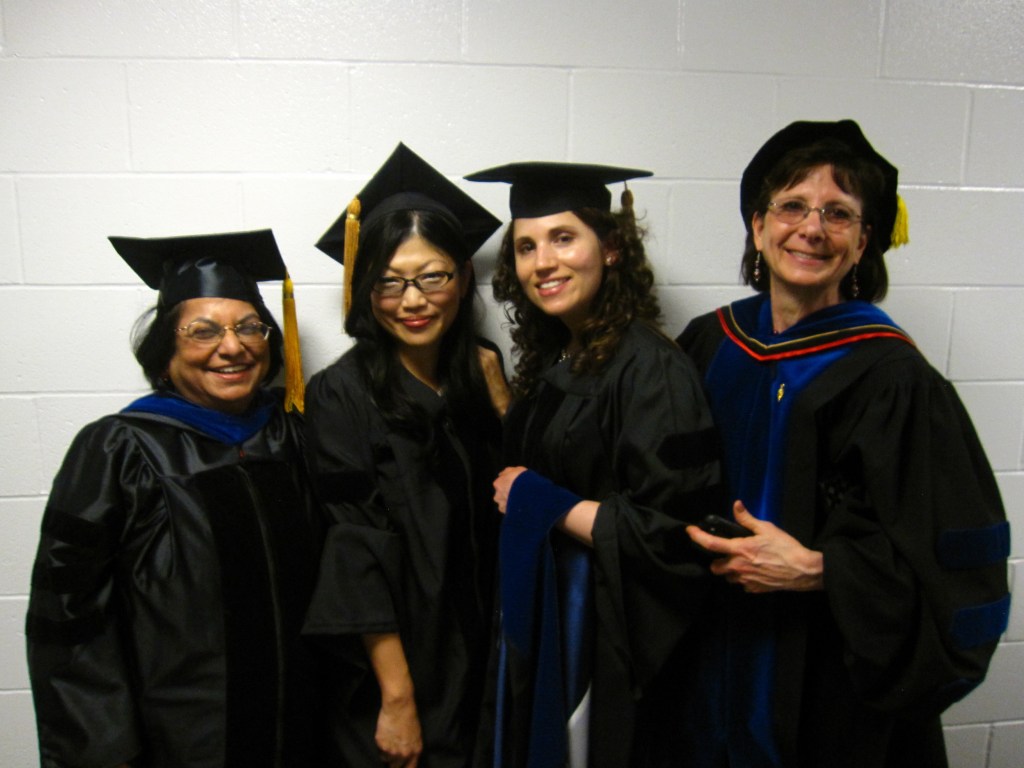
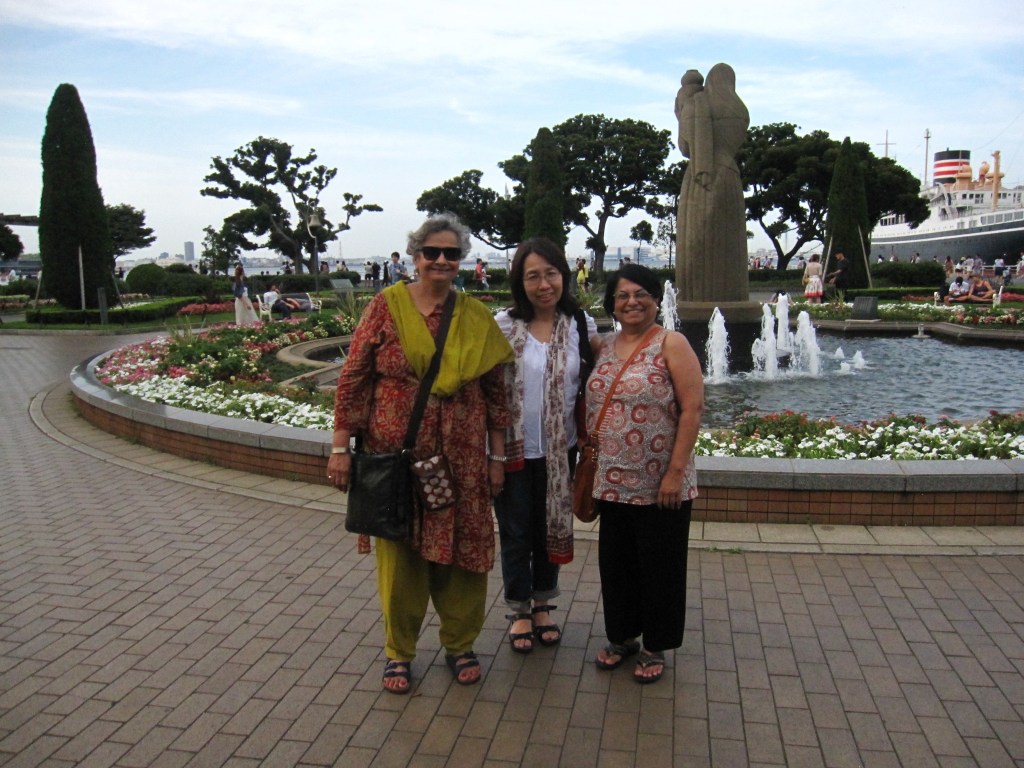





Purkayastha has held editorial positions with several high-profile journals, including Gender & Society, the Journal of South Asian Diaspora, Sociology of Race & Ethnicity, Qualitative Sociology, ISA-Current Sociology; as well as ISA’s Global Dialogue, and Frontpage Publications. She completed a Fulbright-Nehru fellowship to India on Water, Inequalities, Rights and has served in many elected, invited, and appointed positions, including President of Sociologists for Women in Society.
She has served as an expert advisor for many international and state entities, including the World Health Organization s expert group on female migrants and health, the Initiative on Girls and Women of Color, as well as the United Nations (UN) International Organization of Migration and the UN Development Programme on forced migration.
 Bandana Purkayastha